
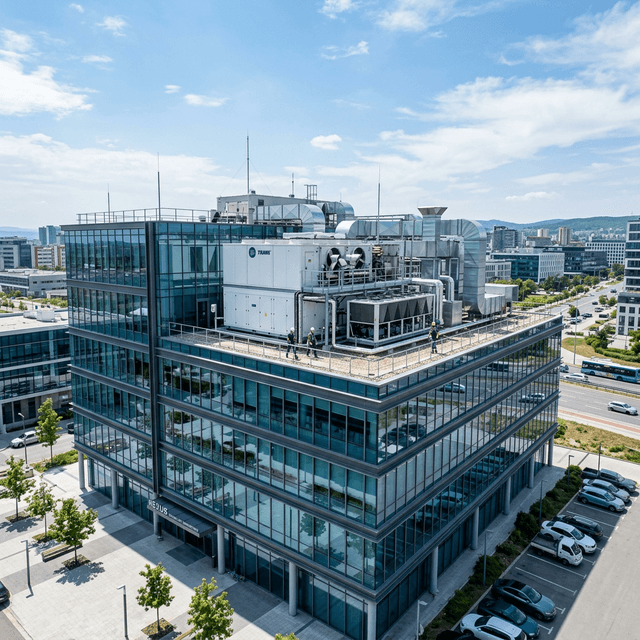
An air conditioner doesn't actually 'create cold'. Instead, it removes heat from indoors and pumps it outside. This process relies on a continuous loop of thermodynamics known as the refrigeration cycle, driven by a chemical substance called a refrigerant.
The cycle starts at the Compressor (often called the heart of the AC). Here, the refrigerant is squeezed into a high-pressure, superheated gas and pushed into the Condenser Coil located outside. As outside air blows over this coil, the gas releases its heat and condenses back into a high-pressure liquid.
Next, the liquid passes through the Expansion Valve. This valve acts like a nozzle, dropping the refrigerant's pressure rapidly. This abrupt expansion causes its temperature to plummet, turning it into a freezing core-coolant.
Finally, this cold liquid flows into the indoor Evaporator Coil. The warm air from your room is blown over this coil. The refrigerant absorbs the heat from the room air, boiling back into a low-pressure gas, and leaving behind crisp, cold air that is circulated back into your living space. The cycle then repeats continuously to maintain your desired temperature.
Key Technical Takeaways
- ACs cool by removing indoor thermal energy, not by injecting cold air.
- The Compressor is critical for converting gas back into high-temperature dissipation states.
- Expansion valves drop pressure abruptly to achieve freezing core coolant phases safely.
- Proper maintenance of copper coils ensures maximum heat transfer rates over time.
Access Industrial Whitepapers
Join 500+ lead engineers receiving our bi-weekly thermodynamic research and system optimization guides.
Related Insights
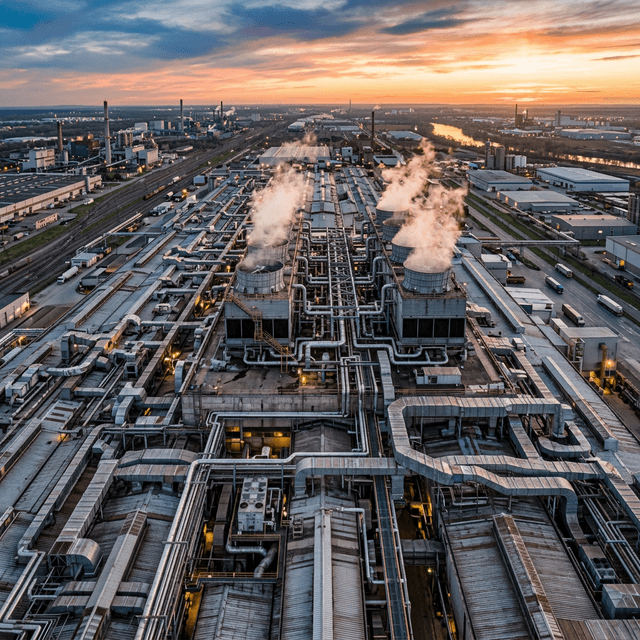
The Future of VRF Systems in High-Rise Architecture
A deep dive into variable refrigerant flow logic and its application in modern megalopolis structural cooling.
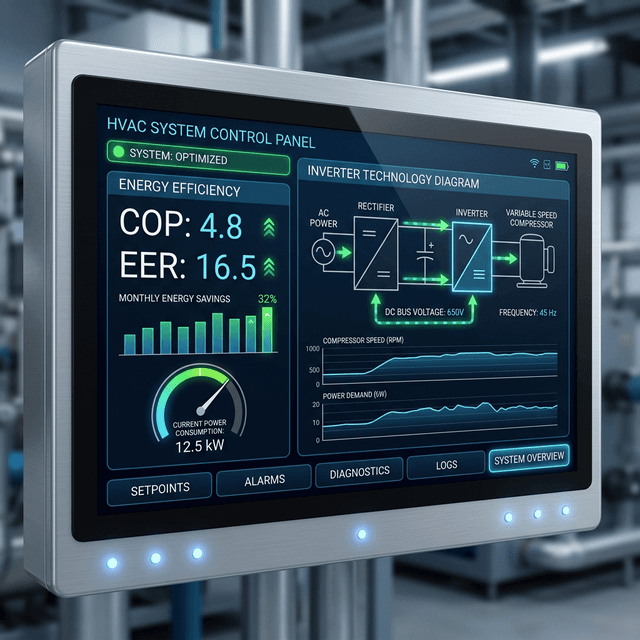
Thermal Management in Desert Environments
Technical challenges and solutions for maintaining structural cooling when external temperatures exceed 50°C.
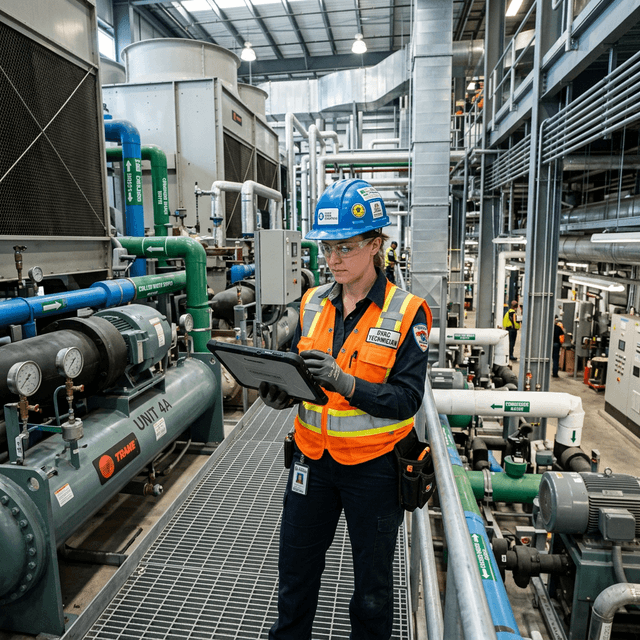
HVAC Preventative Maintenance: A Guide for Industrial Facilities
A systematic maintenance framework that extends equipment lifespan by up to 40% and prevents unplanned shutdowns in mission-critical industrial environments.